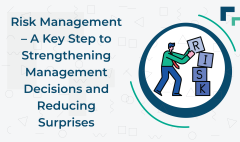
Three Smart Steps to Prevent Most Project Crises Before They Happen


Three Smart Steps to Prevent Most Project Crises Before They Happen
Introduction
Modern project management requires a clear vision and the ability to anticipate challenges before they occur. Many projects fail not due to a lack of resources or ideas, but because of unexpected crises that could have been prevented. Therefore, adopting smart strategies to prevent most project crises before they happen has become an essential necessity, as it saves time and effort and ensures the project’s objectives are achieved efficiently and smoothly.
First: Precise Strategic Planning
Strategic planning is the first and fundamental step in preventing crises. This includes:
- Clearly defining objectives: Knowing exactly what the project aims to achieve helps in creating a clear plan and organizing resources correctly.
- Analyzing potential risks: Studying all possible scenarios and challenges that the project may face, including financial, technical, and logistical risks.
- Setting alternative plans: Preparing contingency plans to handle any unexpected situation ensures the project continues without interruptions or major losses.
Good planning provides a comprehensive vision of the project and prepares the team for any emergencies, reducing the likelihood of crises.
Second: Effective Communication and Team Management
Communication is a key factor in preventing project crises. This involves:
- Clear communication with all team members: Ensuring each member knows their role, responsibilities, and project expectations.
- Continuous monitoring of progress: Tracking work progress and detecting any early signs of potential problems before they escalate.
- Enhancing collaboration and problem-solving collectively: Encouraging the team to raise and discuss challenges collectively creates a supportive work environment and reduces the chances of major crises.
Continuous communication ensures quick response to minor issues before they turn into major crises that could affect the project.
Third: Continuous Monitoring and Evaluation
Ongoing monitoring of project stages helps detect problems early. This step includes:
- Using Key Performance Indicators (KPIs): Monitoring performance according to specific standards to identify any deviations from the plan.
- Regularly reviewing project plans: Adjusting plans when any changes occur in circumstances or project requirements.
- Applying analytical and predictive tools: Utilizing data to analyze risks and predict problems before they happen, allowing preventive measures to be taken.
Regular monitoring makes project management more flexible and effective, reducing the likelihood of major crises.
Conclusion
Following these three smart steps precise strategic planning, effective communication and team management, and continuous monitoring and evaluation provides projects with strong protection against potential crises. Smart prevention not only avoids problems but also saves time and resources, enhancing the chances of project success and achieving objectives efficiently. Adopting these strategies is the key for any project manager aiming to achieve outstanding and sustainable results.