
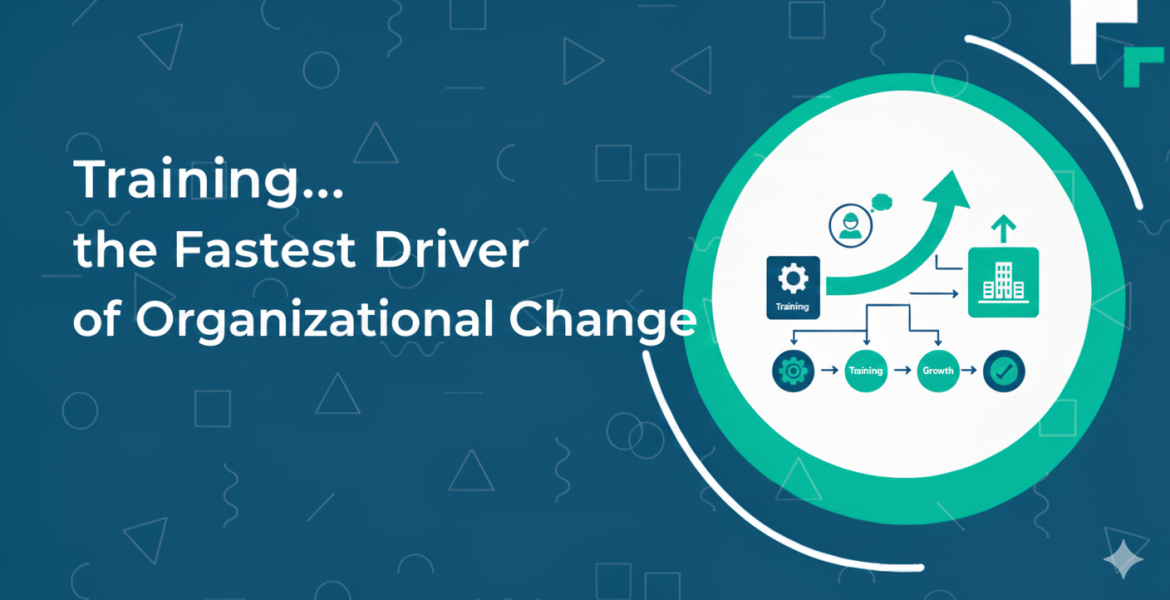
Training… the Fastest Driver of Organizational Change
Introduction
In today’s business world, organizations face rapidly changing and evolving challenges, from technological advancements to economic and market shifts. In this context, organizational change is essential for survival and success. However, implementing change successfully requires more than just plans and strategies; training emerges as a crucial and effective tool that accelerates change and delivers tangible results. Well-trained employees can adapt to change, implement new initiatives efficiently, and contribute to improving the overall performance of the organization.
First: The Relationship Between Training and Organizational Change
Organizational training is a structured process aimed at developing employees’ capabilities and enhancing their performance in alignment with organizational goals, especially during periods of change. When employees receive appropriate training, they gain the skills and knowledge necessary to adapt to new changes, reducing resistance and increasing acceptance of new directions. Training goes beyond merely delivering information; it includes practical skill application, which enhances employees’ understanding of the importance of change and motivates active participation in achieving organizational objectives.
Second: Types of Training Impacting Organizational Change
1. Technical Training
Focuses on developing employees’ practical skills within their professional areas. This type of training enables employees to efficiently handle new tools and technologies, supporting smooth implementation of organizational changes and minimizing errors during application.
2. Management and Leadership Training
Includes developing employees’ decision-making, leadership, team management, and problem-solving skills. These skills are essential for facilitating change, as leaders and managers need to guide their teams effectively and motivate them to adapt to new changes.
3. Continuous Professional Development (CME / Professional Development)
These programs help employees stay up-to-date with the latest scientific, technological, and managerial advancements. Linking training to professional certifications enhances commitment and motivates employees to apply what they have learned, contributing to the success of organizational change and achieving objectives more quickly.
Third: Benefits of Training in Supporting Organizational Change
• Increased Organizational Flexibility and Adaptability
Trained employees can quickly adjust to changes, making the organization more agile and responsive to new challenges.
• Improved Performance Quality and Productivity During Change
Training reduces errors and increases employee efficiency, ensuring that changes positively impact overall performance.
• Enhanced Innovation and Creativity
Learning new skills and being exposed to modern methods encourages innovative ideas, helping the organization continuously develop and improve.
• Building a Continuous Learning Culture
Regular training embeds a culture of ongoing learning within the organization, which is essential for ensuring sustainable change and long-term development.
Fourth: Strategies to Ensure Training Impacts Organizational Change
• Identify Training Needs Linked to Change Plans
Analyzing employee strengths and weaknesses ensures the design of training programs that focus on areas necessary for successful implementation of changes.
• Use Interactive and Modern Training Methods
Methods such as workshops, simulations, and interactive e-learning enhance understanding and application of skills in the actual work environment.
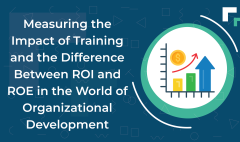
• Measure the Impact of Training on Performance and Change
Monitoring post-training performance and evaluating the results of applying new skills allows programs to be refined and improved for optimal outcomes.
• Link Training to Certifications
Providing employees with accredited certificates increases commitment and encourages effective application of skills, accelerating the achievement of organizational change objectives.
Conclusion
Training is the fastest driver of organizational change. It not only develops employee capabilities but also accelerates the implementation of change, improves performance quality, and fosters innovation within the organization. Organizations that invest in continuous training programs and link them to professional certifications build a strong foundation of qualified employees ready to face future challenges with confidence and efficiency. Skill development is a long-term investment that ensures organizational success and guarantees effective and sustainable implementation of change.